
The Circumcision at the Temple.
The Agony in the Garden of Gethsemane.
The Scourging.
The Crowning with Thorns.
The Carrying of the Cross.
The Crucifixion.
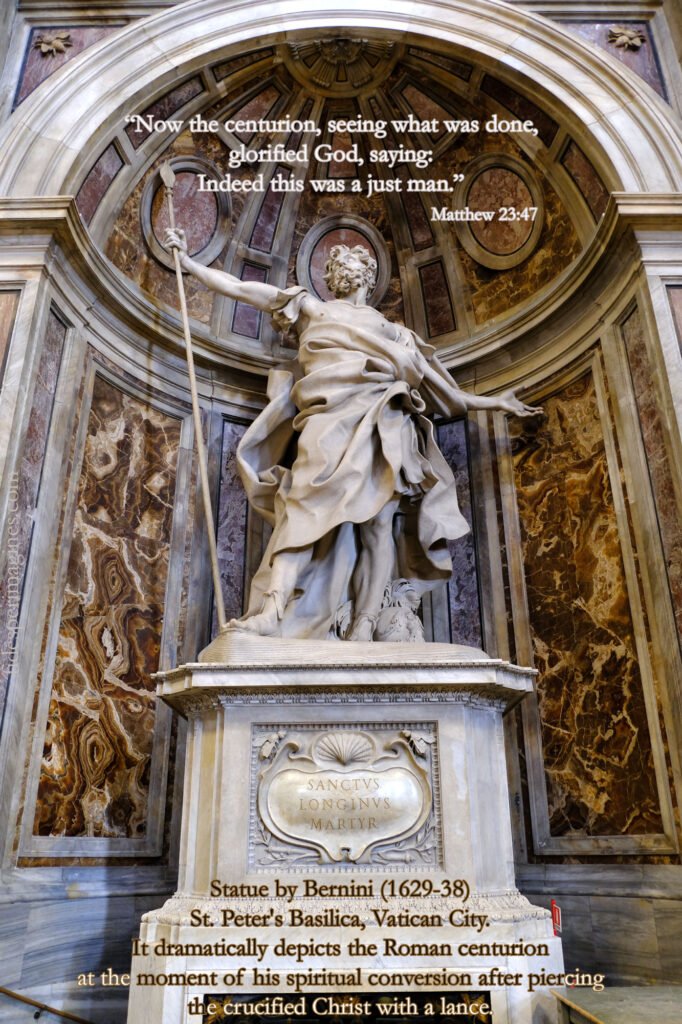
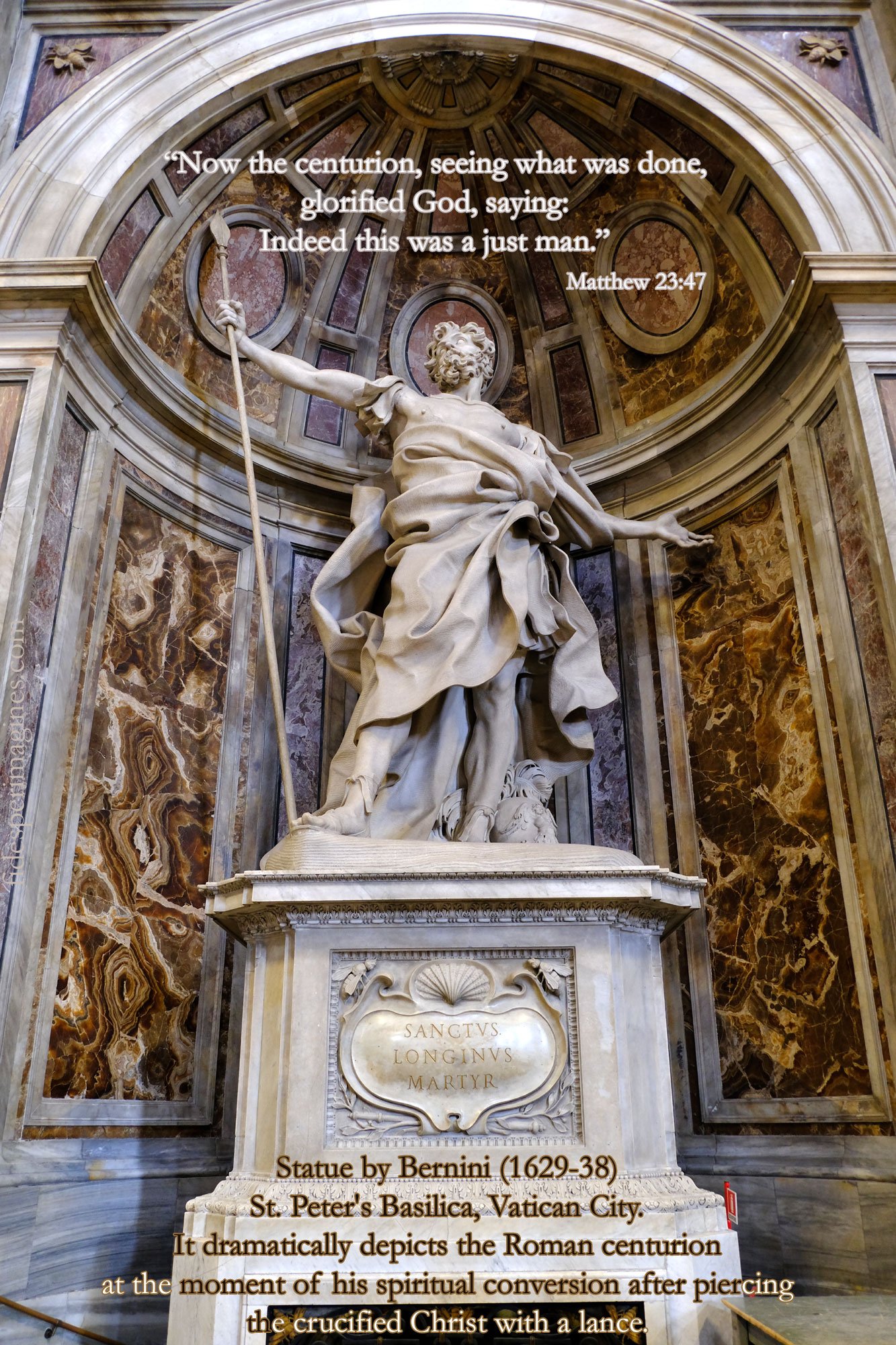
The Heart pierced by the soldier’s lance.
Devotion to the Precious Blood remains very strong, with the month of July traditionally dedicated to it in popular piety.
Collect:
Almighty, eternal God, Who made Your only-begotten Son the Redeemer of the world, and willed to be reconciled by His Blood, grant us, we beseech You, so to worship in this sacred rite the price of our salvation, and to be so protected by its power against the evils of the present life on earth, that we may enjoy its everlasting fruit in heaven.
Dans la tradition catholique, la fête du Précieux Sang célèbre le sang versé par Jésus-Christ pour le salut de l’humanité. La dévotion est très ancienne, mais la fête a été instituée pour l’Église universelle en 1849 par le pape Pie IX, en souvenir du 1er juillet 1849, jour de la victoire des armées françaises sur la Révolution qui avait chassé le Pape de Rome. Elle est ainsi traditionnellement célébrée le 1er juillet. Lors de la réforme de 1970 (post Vatican II), cette célébration spécifique a été retirée du calendrier universel pour etre fusionnée avec la Fête du Saint-Sacrement (le jeudi ou dimanche du Corpus Christi) qui célèbre conjointement le Corps et le Sang du Christ. Les catholiques honorent ce sang versé lors de sept moments clés de la Passion et de la vie du Christ :
La circoncision au Temple.
L’agonie au jardin de Gethsémani.
La flagellation.
Le couronnement d’épines.
Le portement de croix.
Le crucifiement.
Le cœur transpercé par la lance du soldat.
La dévotion au Précieux Sang reste très vivace, le mois de juillet lui étant traditionnellement dédié dans la piété populaire. Plusieurs sanctuaires en France abritent et vénèrent des reliques liées au Sang du Christ (comme la célèbre relique de la Chapelle de la Sainte-Épine ou le Sang de Fécamp).
De nombreux fidèles continuent de réciter des prières spécifiques notamment la litanie du précieux sang.
Oraison:
Dieu tout-puissant et éternel, vous avez établi votre Fils unique rédempteur du monde, et vous avez voulu que votre justice soit apaisée par son sang : faites-nous la grâce, nous vous en prions, de vénérer d’un culte solennel ce prix de notre salut, et d’être ici-bas préservés par sa vertu des maux de la vie présente ; de manière à jouir éternellement de ses fruits dans les cieux. Par le même.
Photo of the Statue of Saint Longinus, a sculpture by Gian Lorenzo Bernini (1598-1680) in St Peter’s Basilica, Vatican City, taken in Rome in December 2015.