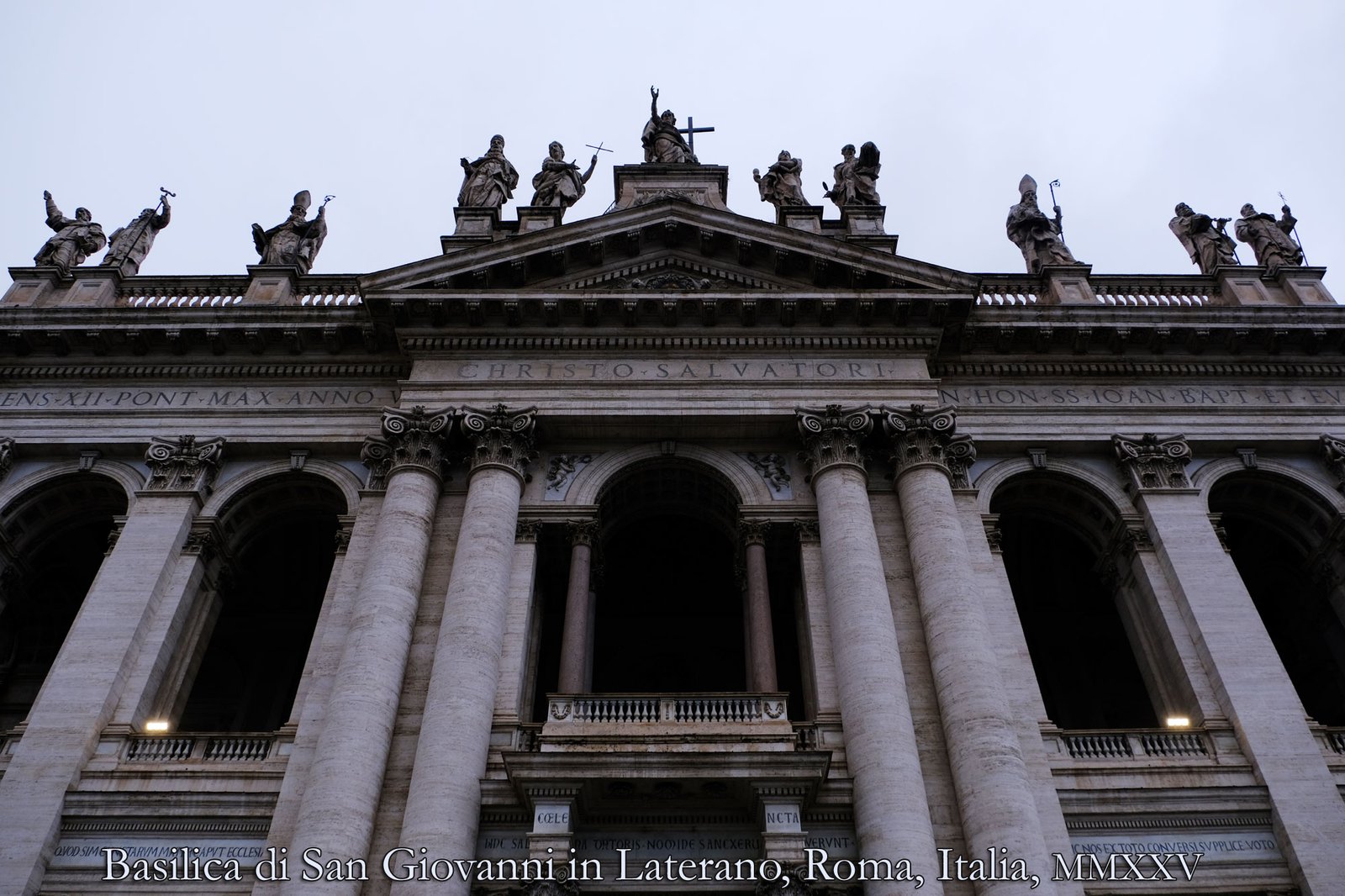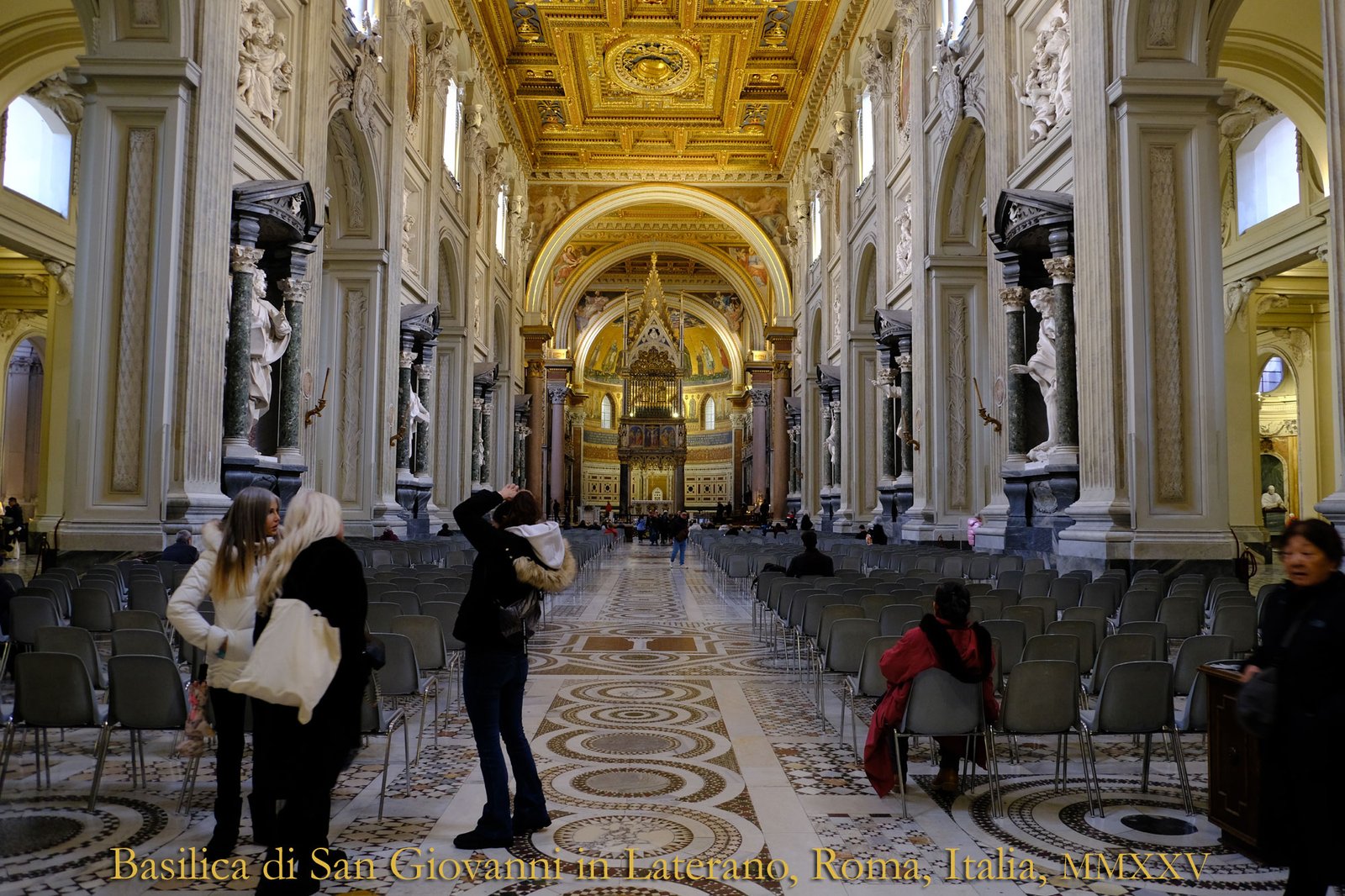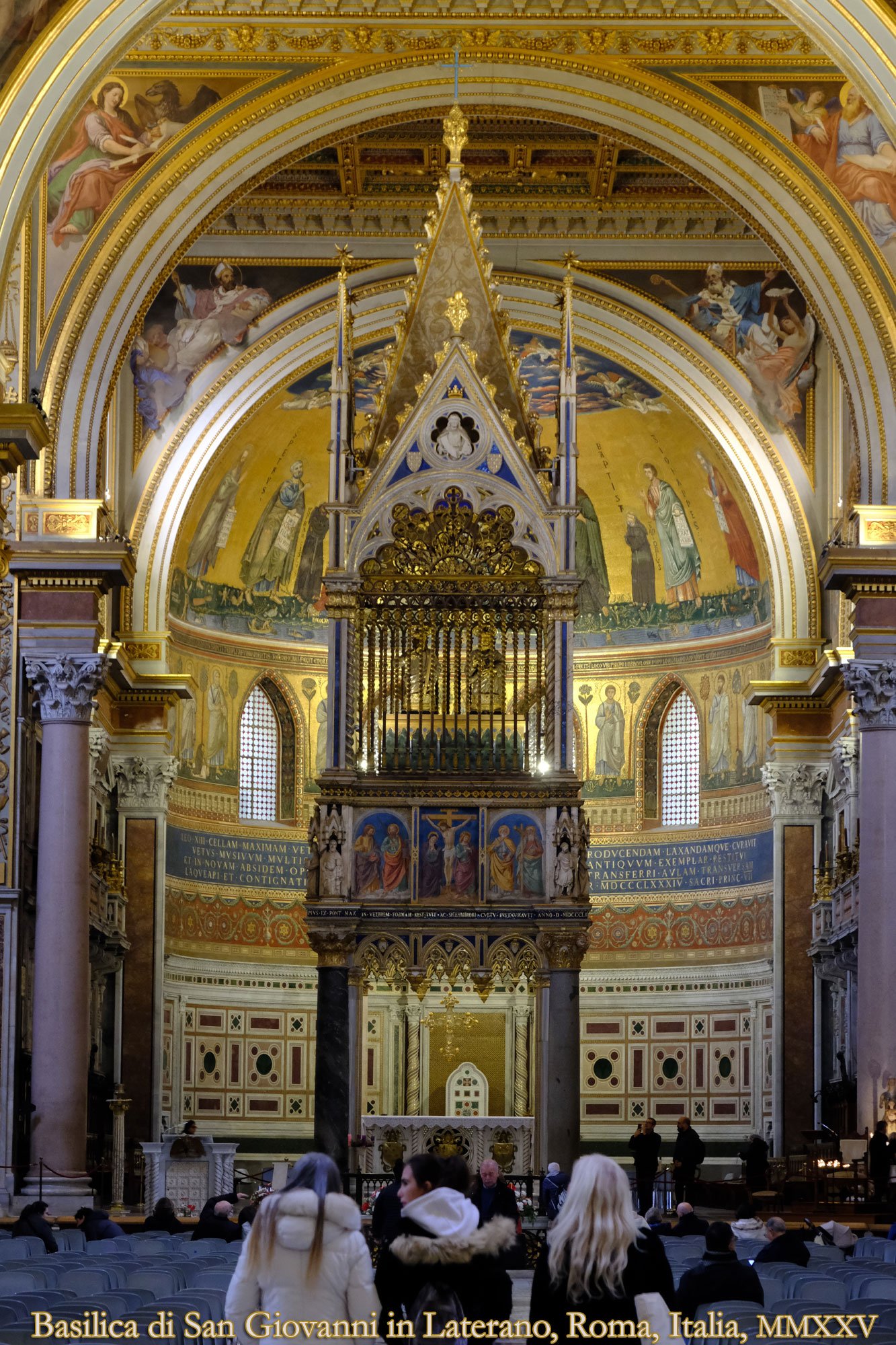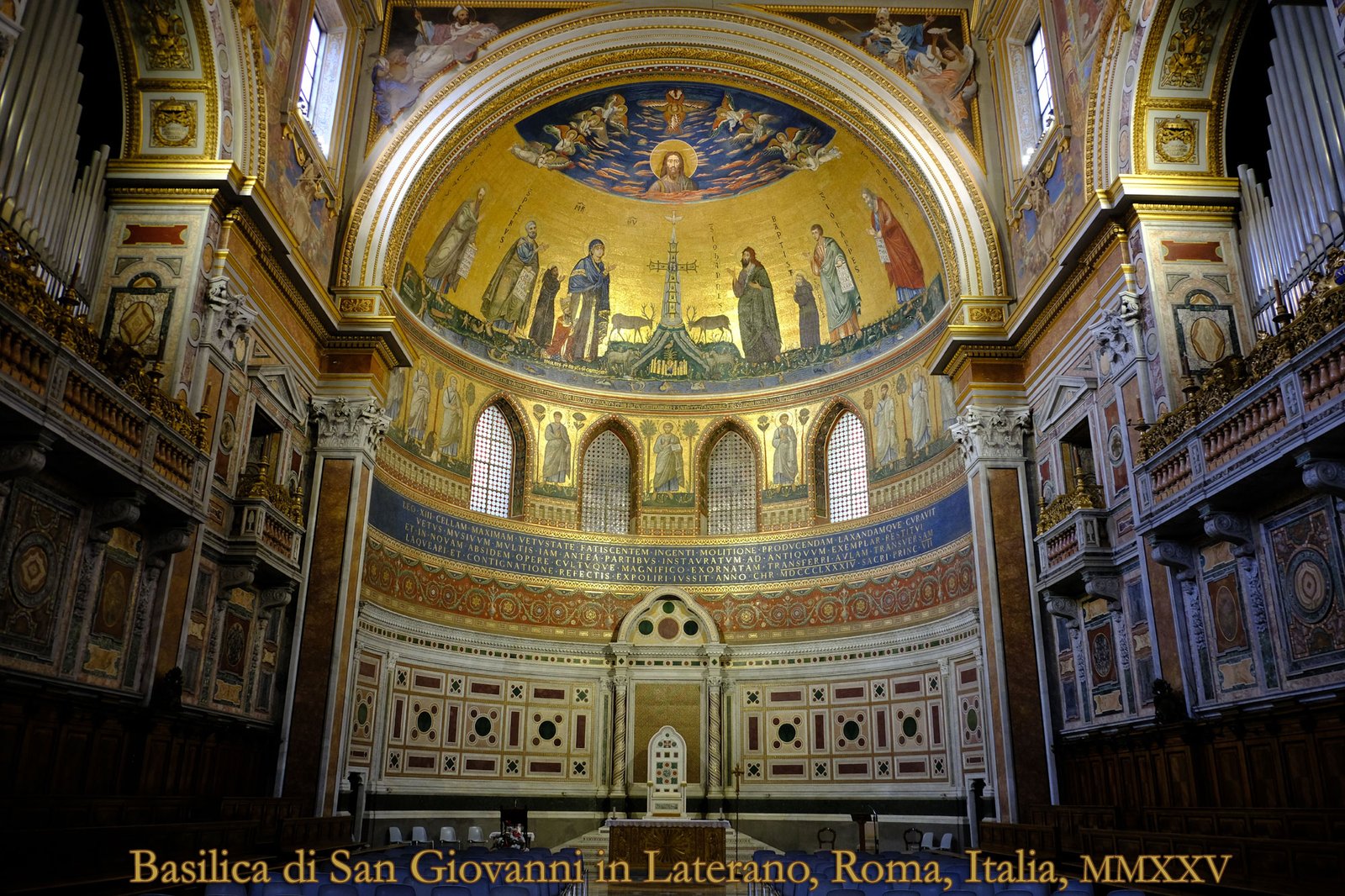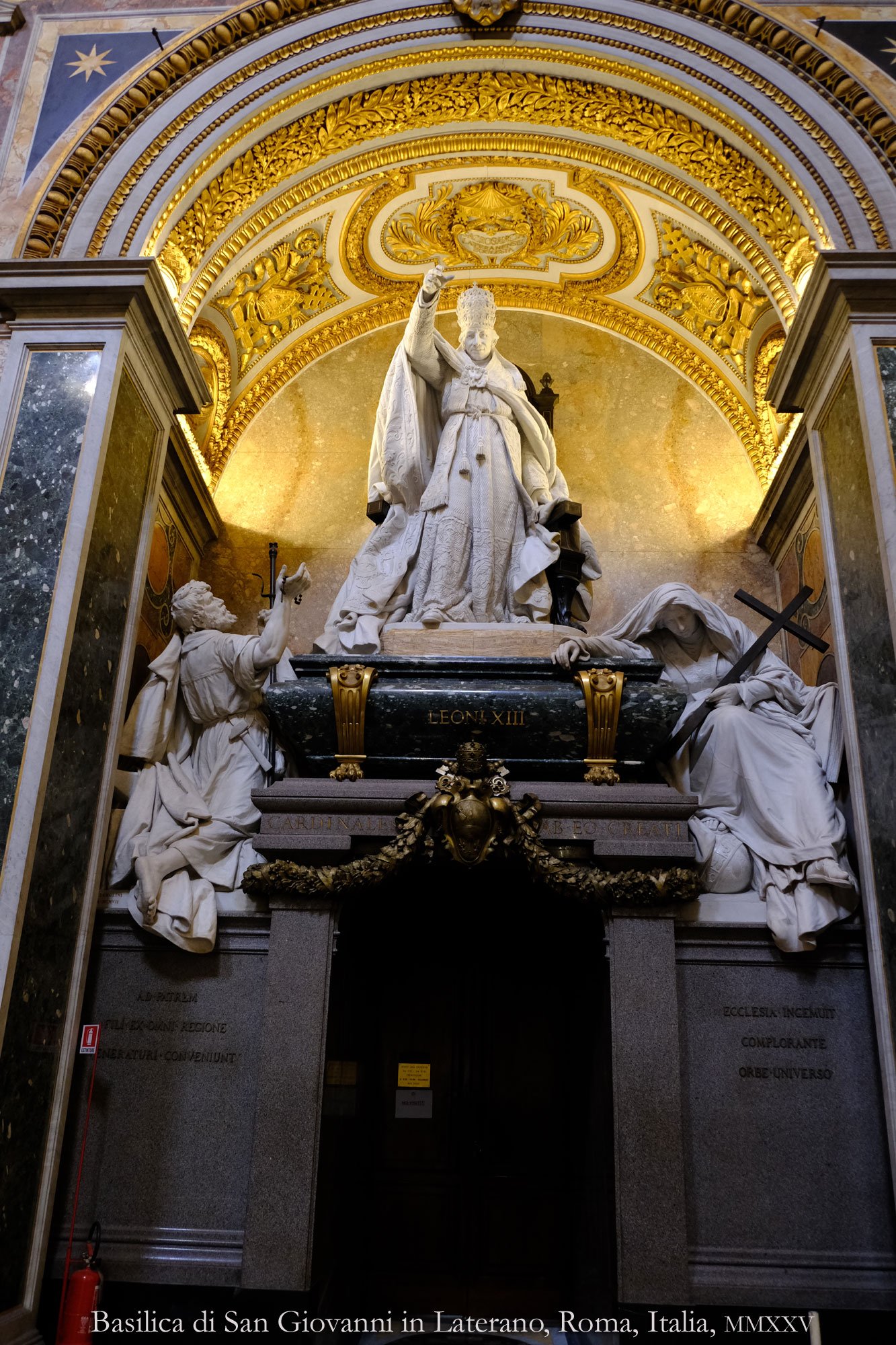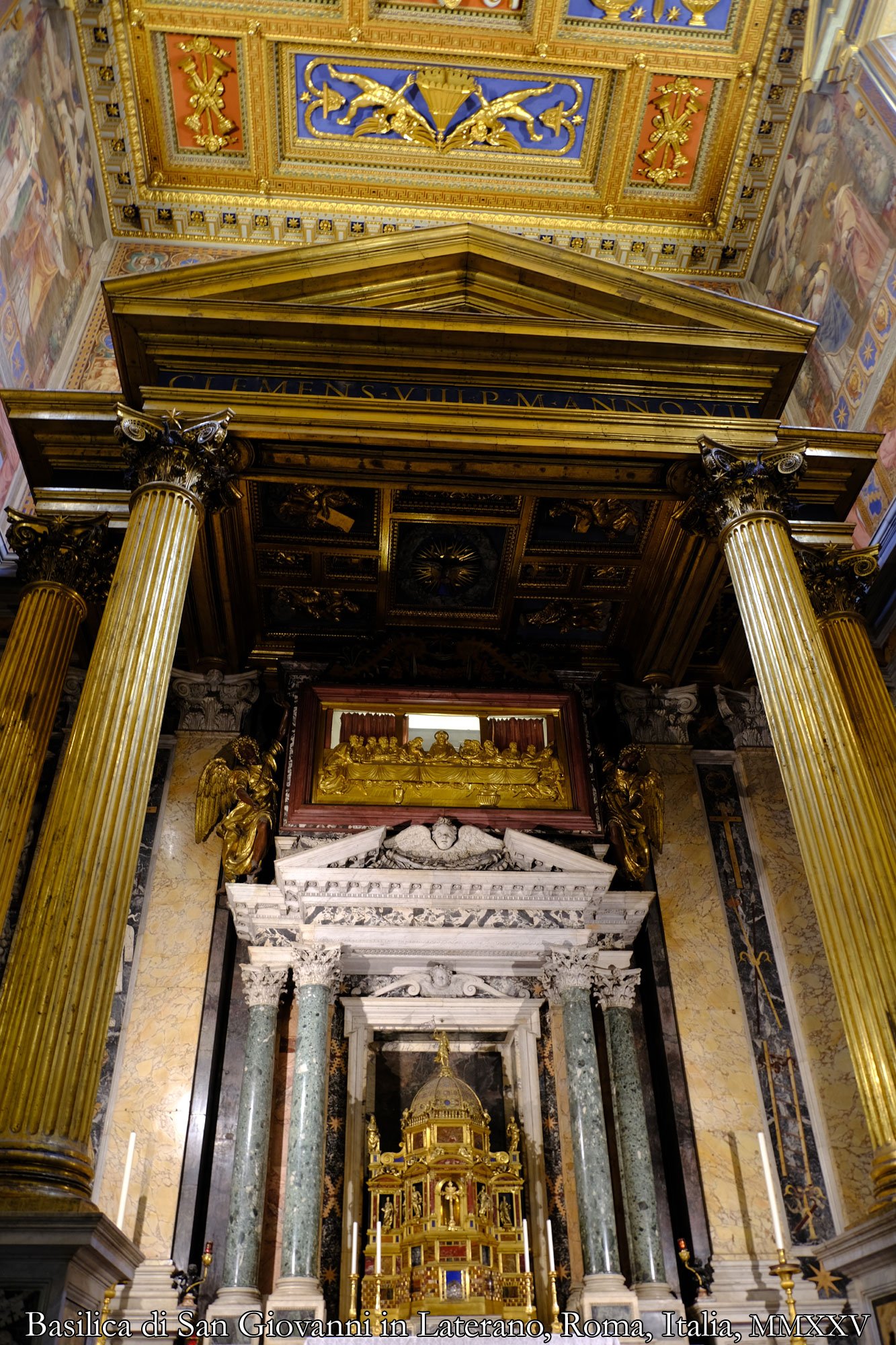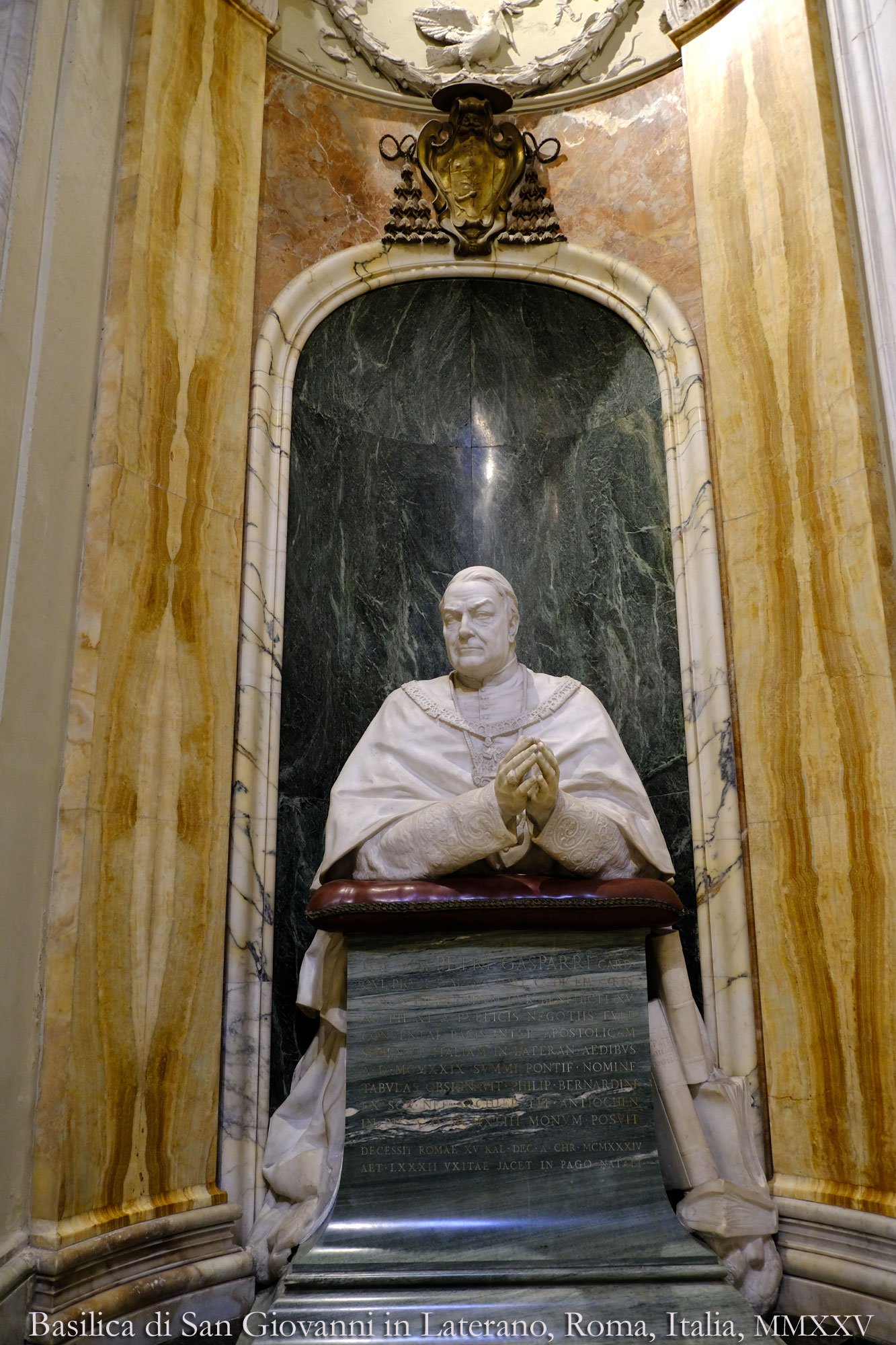
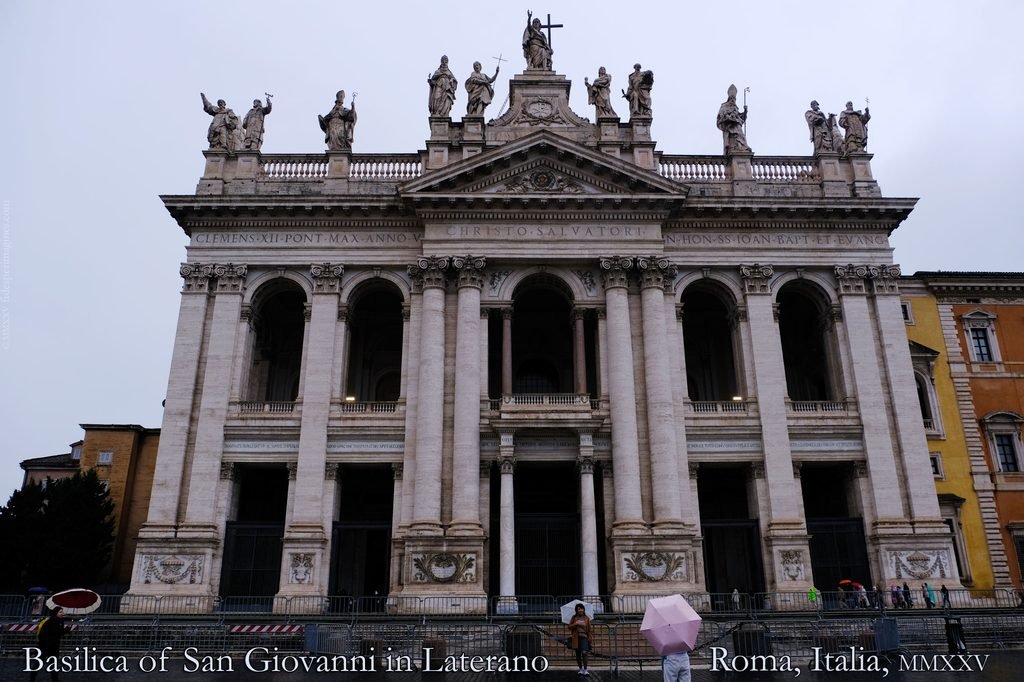
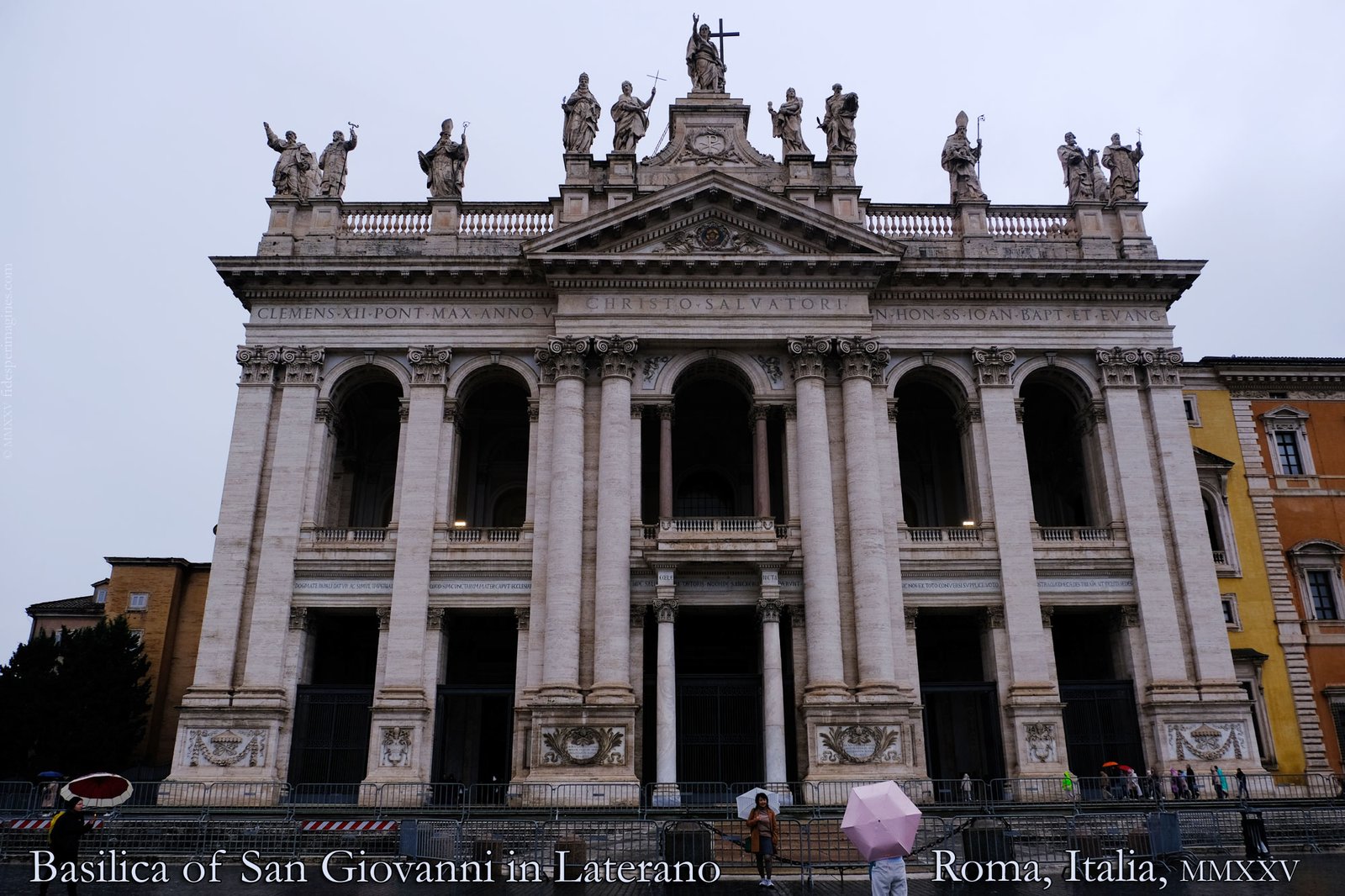
It commemorates the consecration of the Archbasilica of Saint John Lateran in Rome by Pope Sylvester I in 324 AD.
Originally dedicated to Christ the Savior (Christo Salvatori), later rededicated to Saint John the Baptist and Saint John the Evangelist.
It is the official cathedral of the Pope (as Bishop of Rome) and holds the title of mater et caput—the mother and head of all churches of the city of Rome and the entire world.
The name “Lateran” comes from the ancient Roman Laterani family, whose estate and palace (Domus Faustae) originally occupied the site. So the land, originally owned by the Laterani family and was later given to the Church by Emperor Constantine the Great after Christianity received legal recognition.
The feast celebrates the unity of the local church of Rome with Catholic communities worldwide, and reminds the faithful that the Church is a spiritual temple built of “living stones”.
Instituted for the universal Church in the 18th century (under Pope Benedict XIII), this feast reminds Catholics around the world of their unity in faith and their connection to the Bishop of Rome (the Pope).
The original dedication marked a historic turning point when Christians could finally worship publicly and freely after centuries of Roman persecutions.
The liturgy for this day (featuring readings like John 2:13–22 on cleansing the temple and 1 Corinthians 3) reminds the faithful that while physical churches are sacred houses of God, individual believers are also living temples of the Holy Spirit.
La fête de la Dédicace de la Basilique du Latran, célébrée chaque année le 9 novembre dans toute l’Église catholique, commémore la consécration en 324 de la toute première église chrétienne publique de Rome par le pape Saint Sylvestre.
Loin d’être une simple commémoration historique italienne, cette célébration revêt une importance spirituelle et liturgique fondamentale en France et à travers le monde.
Contrairement à une idée reçue, la plus importante église de la catholicité n’est pas la basilique Saint-Pierre du Vatican, mais bien l’archibasilique Saint-Jean-de-Latran.
Elle est la véritable église cathédrale du Souverain Pontife en tant qu’évêque de Rome.
Elle porte le titre officiel de « Omnium urbis et orbis ecclesiarum mater et caput », c’est-à-dire mère et tête de toutes les églises de la Ville (Rome) et du monde.
Dans les paroisses de France, les textes liturgiques du 9 novembre (notamment la purification du Temple par Jésus dans l’Évangile de Jean) mettent en avant trois symboles majeurs :
-Fêter la cathédrale du Pape est le moyen par lequel chaque diocèse français manifeste concrètement sa communion et sa fidélité à l’Église de Rome et au successeur de Pierre.
-L’Église rappelle que les bâtiments de pierre ne sont que les visages d’une autre réalité : les chrétiens eux-mêmes. Comme l’écrit saint Paul : « Vous êtes la maison que Dieu construit » (1 Co 3, 9).
-Chaque baptisé est invité à redécouvrir son corps et son âme comme le véritable sanctuaire où réside l’Esprit Saint.
Le Service National de la Pastorale Liturgique en France, à travers le portail de la Liturgie Catholique, explique que cette fête rappelle que le ministère du Pape est le fondement visible de l’unité de tout le peuple de Dieu.